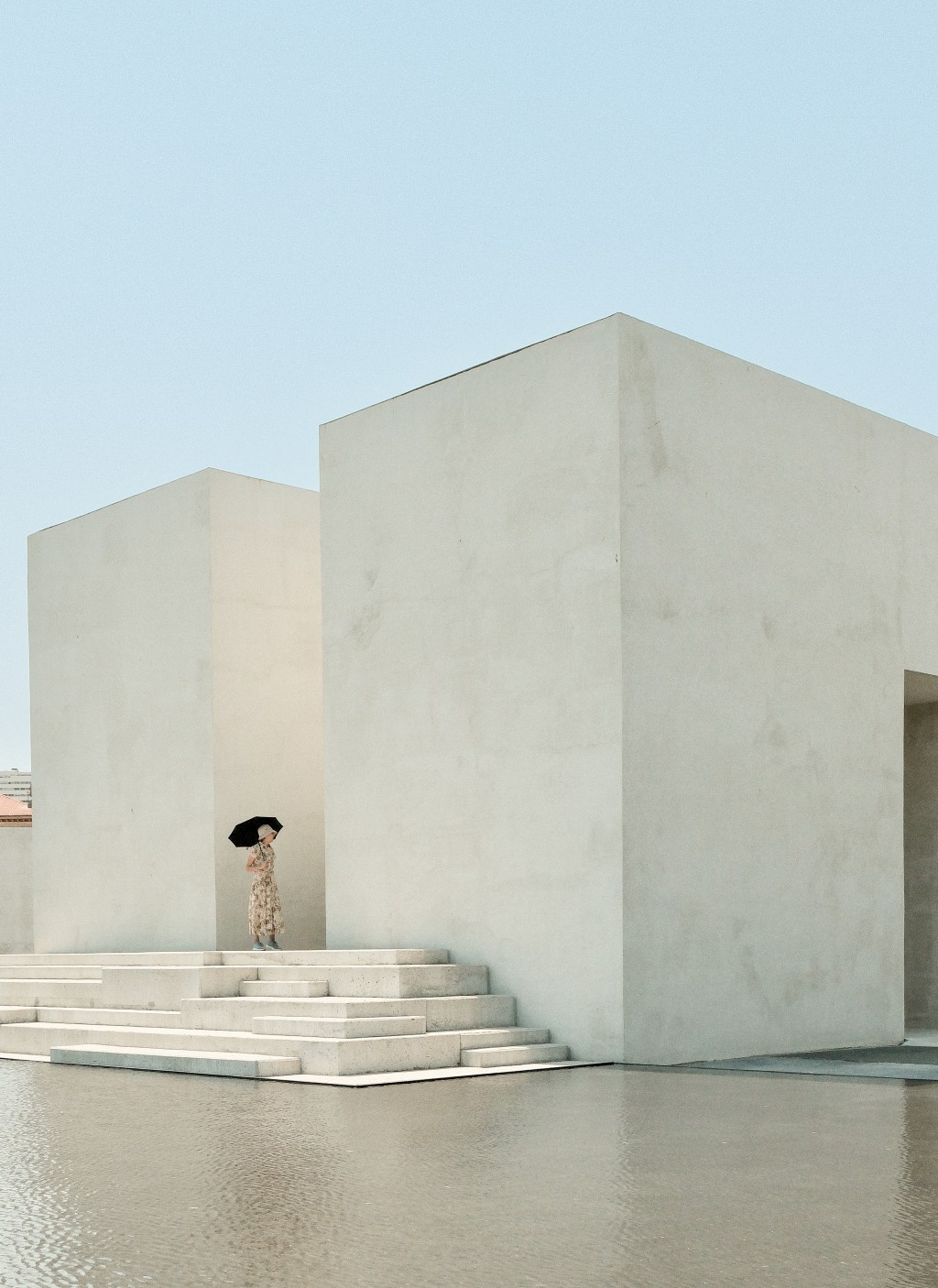
How architecture and interiors transform the way we stay
There are places we visit, and places we remember.
Sometimes, the difference has little to do with the destination itself. It lies in the quality of light entering a room, the texture of a wall, the proportions of a space, or the quiet relationship between a building and its surroundings.
Architecture and design have the ability to shape not only the spaces we inhabit, but also the way we experience them.
And nowhere is this more apparent than in the places we choose to stay.
BEYOND ACCOMMODATION
A hotel is often understood as a temporary place to sleep — a practical element of a journey.
Yet some spaces offer something far more meaningful.
They invite us to slow down, observe and become aware of our surroundings. Their architecture creates a dialogue between the visitor and the place, transforming an ordinary stay into a memorable experience.
A thoughtfully designed hotel does not simply provide comfort. It creates a particular way of being.
The arrangement of rooms, the transition between interior and exterior, the selection of materials and the movement of natural light all contribute to how a space is perceived.
These details may appear subtle, but together they shape the emotional character of a place.
THE LANGUAGE OF MATERIALS
Materials have a remarkable ability to communicate atmosphere.
Natural stone can create a sense of permanence and connection to the landscape. Timber introduces warmth and tactility. Concrete, when used with sensitivity, can express simplicity, stillness and architectural clarity.
The most compelling interiors are not necessarily those filled with remarkable objects.
Often, their strength lies in restraint.
A carefully considered material palette allows textures, proportions and light to become the defining elements of a space.
In such environments, design does not demand attention. It quietly influences how we feel.
LIGHT AS AN ARCHITECTURAL ELEMENT
Light is one of the most powerful elements in architecture.
It changes the perception of scale, reveals the character of materials and gives rhythm to the spaces we occupy.
A room may feel entirely different in the early morning than it does at sunset.
The movement of shadows across a wall, the reflection of daylight on a textured surface or the framing of a distant landscape can become an essential part of the experience.
In thoughtful architecture, light is never merely functional.
It becomes part of the design itself.
A CONNECTION TO PLACE
The most memorable destinations often share a common quality: they belong to their surroundings.
Rather than imposing a visual identity on the landscape, their architecture responds to it.
Local materials, regional building traditions, climate and topography can all influence the design of a hotel or private retreat.
This relationship creates a sense of authenticity that cannot be reproduced through decoration alone.
A building becomes more meaningful when its design reflects the character of the place in which it exists.
For the traveller, this connection offers something particularly valuable: the opportunity to experience a destination through its architecture.
THE EXPERIENCE OF STILLNESS
In a world defined by constant movement and visual stimulation, thoughtfully designed spaces can offer a rare sense of calm.
This does not necessarily require minimalism.
It requires intention.
A carefully framed view, a quiet courtyard, a generous window or a simple room with beautiful proportions can encourage a different pace of living.
Architecture can create the conditions for stillness, allowing us to become more attentive to our surroundings and to ourselves.
Sometimes, the most meaningful luxury is not abundance, but the absence of unnecessary distraction.
ARCHITECTURE WE CAN INHABIT
We often encounter architecture as something to observe.
We admire buildings in photographs, visit museums or explore remarkable structures while travelling.
But staying within a thoughtfully designed space offers a different kind of encounter.
We experience its architecture over time.
We notice how daylight changes, how materials feel, how spaces connect and how the building responds to daily life.
Architecture becomes more than an image.
It becomes something we inhabit.
And perhaps this is what makes architecturally distinctive hotels and retreats so compelling.
They allow us not only to discover exceptional design, but to become part of it — even if only for a few days.
At ARCHISTAY, we believe that the most remarkable places to stay are those where architecture and design become an essential part of the journey.
Because sometimes, the place we stay is not simply where the experience happens.
It is the experience itself.
